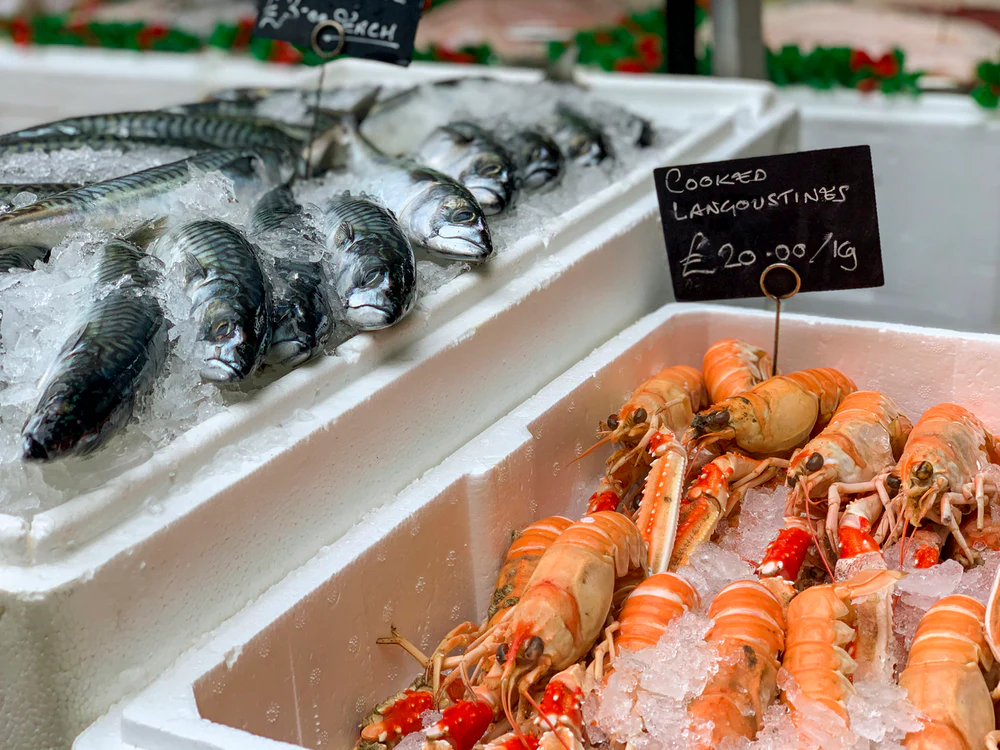
Britain’s coastline stretches for thousands of miles, offering a wide variety of fish and shellfish that often go unnoticed. While cod, haddock, and salmon still dominate the seafood scene, there’s a whole world of delicious and sustainable alternatives waiting to be discovered. Whether you’re an adventurous cook or simply looking to support responsible fishing, exploring lesser-known British species can be a rewarding experience — both for your palate and the planet.
Why It’s Time to Look Beyond the Usual Suspects
Popular fish like cod and salmon are deeply ingrained in British food culture, and they aren’t going anywhere soon. However, demand for these species has put pressure on stocks and made sustainability a concern. Fortunately, UK waters are rich with alternatives that are just as versatile in the kitchen.
Pollack, for example, is a brilliant substitute for cod. It has a slightly deeper flavour and works well in everything from curries to fishcakes. It’s often more affordable and available from local sources, especially if you’re lucky enough to live near a well-stocked counter offering fresh seafood in Bangor.
Whiting is another underrated gem. Part of the cod family, it has a delicate texture and is perfect for shallow frying or baking. It’s also a hit with children, making it a good choice for family-friendly meals.
Shellfish You Shouldn’t Overlook
When it comes to shellfish, the UK has plenty to boast about beyond just prawns and crab. Razor clams, for example, are harvested along sandy shorelines and bring a sweet, nutty flavour to the table. Try them quickly grilled with garlic butter and a squeeze of lemon for a simple yet impressive starter.
Scallops from UK waters, particularly those hand-dived rather than dredged, are considered some of the best in the world. Seared quickly in a hot pan and served with seasonal vegetables, they make a beautiful centrepiece for a weekend meal.
Even winkles — often dismissed as old-fashioned — are making a quiet comeback. These small sea snails can be boiled, picked with a pin, and dipped in vinegar for a nostalgic seaside treat that’s full of flavour.
Regional Treasures from Coastal Waters
Each part of the UK has its own seafood identity, and North Wales is no exception. The waters off Llandudno, Wales are known for producing high-quality flatfish like turbot and brill. These elegant species have firm, white flesh that stands up well to roasting and pan-searing, and they are often favoured by chefs for their delicate taste.
Other local species include grey mullet, a lean, silvery fish that thrives in estuaries and shallow waters. It can be grilled or baked whole and pairs well with Mediterranean flavours like olives and tomatoes. For something a little different, conger eel is also landed in small quantities — a meaty fish that works well in soups and stews thanks to its rich texture.
How to Cook More Sustainably
Cooking with underused fish doesn’t mean sacrificing flavour or simplicity. For a quick midweek dinner, try baking fillets of pollack in foil with lemon, parsley, and a knob of butter. For shellfish lovers, scallops can be tossed in a hot pan with pea purée and crispy pancetta for an impressive but fuss-free starter.
By choosing a wider range of seafood, you’ll not only discover new tastes but also help relieve the pressure on overfished stocks. Checking for eco-certifications and asking where and how your fish was caught are small actions that support a healthier marine ecosystem.
A Broader Menu for a Better Future
Exploring the full range of seafood available around the UK is about more than just variety — it’s about sustainability, supporting local economies, and embracing regional identity. Whether you’re shopping for dinner at a market stall, visiting a coastal fishmonger, or browsing restaurant menus, being open to trying lesser-known species keeps your meals interesting and our oceans healthier.
So next time you’re looking to enjoy something from the sea, consider stepping outside your comfort zone. You might just find a new favourite.