
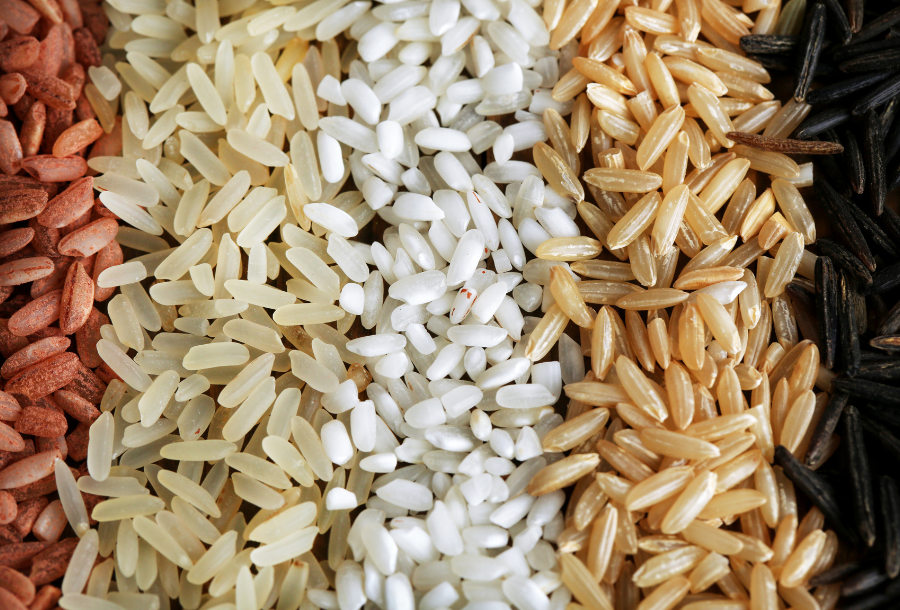
Low GI rice Singapore has emerged from nutritional obscurity to occupy prominent shelf space in health food stores and supermarkets, propelled by rising diabetes rates that have made glycaemic index consciousness less a fad than a practical survival strategy for a population whose traditional diet centres precisely upon the starchy grain now implicated in blood sugar dysregulation. The transformation represents one of those curious shifts where public health imperatives collide with deeply embedded culinary traditions, creating demand for products that promise to reconcile ancestral eating patterns with contemporary medical knowledge.
Decoding the Glycaemic Index
The glycaemic index assigns foods values between zero and one hundred based on their blood sugar impact. Low GI rice scores below 55 on this scale, meaning it provokes gentler glucose elevation compared to standard white rice, which typically registers between 70 and 90. This difference translates to meaningful physiological consequences, particularly for individuals managing diabetes, pre-diabetes, or metabolic syndrome.
The mechanism involves starch structure. Rice contains two starch types: amylose and amylopectin. Varieties higher in amylose resist digestive enzyme breakdown, releasing glucose gradually rather than flooding the bloodstream. low gi rice singapore varieties achieve their beneficial properties primarily through genetic profiles favouring higher amylose content, though processing methods and grain structure also contribute.
Available Low GI Rice Varieties
The Singapore market offers several low GI rice options, each with distinct characteristics.
Basmati Rice
Indian basmati, particularly brown basmati, ranks among the lowest GI rice options, scoring approximately 50-58 on the glycaemic index. The long, slender grains contain higher amylose levels than most Asian rice varieties. The elongation during cooking creates a fluffy, separate texture quite different from the slight stickiness Singaporeans typically prefer.
Australian Low GI White Rice
Australian rice breeders have developed specific cultivars marketed explicitly for low GI properties whilst maintaining the appearance and texture of conventional white rice. These varieties typically score around 54-56, offering meaningful improvement without requiring dramatic culinary adjustment. The low GI rice Singapore market has embraced these Australian varieties, as they accommodate traditional cooking methods.
Brown Rice Varieties
Any brown rice, retaining its bran layer, delivers lower glycaemic response than its white counterpart. Brown rice scores approximately 50-55, varying by specific variety. The bran’s fibre content slows digestion, moderating glucose release. However, brown rice presents challenges including longer cooking times, chewier texture, and shorter storage life.
Specialty Red and Black Rice
Pigmented rice varieties offer low GI properties alongside antioxidant compounds responsible for their distinctive colours. These low GI rice Singapore options appeal to consumers seeking both glycaemic benefits and nutritional enhancement, though their pronounced flavours make them unsuitable for all applications.
Where to Source Low GI Rice
Locating low GI rice in Singapore requires knowing which retail channels prioritise health-focused products.
Health Food Stores
Specialty retailers focusing on organic and health-conscious products maintain the most comprehensive selections. These stores stock multiple varieties, often providing detailed nutritional information and GI ratings. Staff typically possess knowledge about different types and their appropriate uses.
Major Supermarket Chains
Larger supermarket operators increasingly dedicate shelf space to low GI rice Singapore varieties, responding to consumer demand driven by health awareness campaigns. Look for products explicitly labelled with GI ratings or health claims related to blood sugar management.
Online Retailers
E-commerce platforms provide access to imported varieties and specialty products unavailable through conventional retail. Online shopping enables easy price comparison and access to customer reviews.
Health Implications Beyond Blood Sugar
The benefits of low GI rice extend beyond glycaemic control to encompass broader metabolic effects.
Weight Management
Low GI foods promote satiety more effectively than high GI equivalents, potentially reducing overall caloric intake. The slower digestion and sustained energy release help prevent hunger spikes that drive snacking.
Cardiovascular Health
Diets emphasising low GI foods correlate with improved lipid profiles and reduced cardiovascular disease risk. The mechanisms involve complex interactions between glucose metabolism, inflammation, and lipid synthesis.
Digestive Benefits
The higher fibre content in many low GI rice Singapore varieties, particularly brown and pigmented types, supports digestive health through improved bowel regularity and beneficial effects on gut microbiota.
Practical Cooking Considerations
Transitioning to low GI rice requires minor adjustments to familiar cooking methods.
Brown and pigmented varieties typically require increased water ratios and extended cooking times. Soaking rice for several hours before cooking improves texture and reduces cooking duration. Rice cookers perform well with most low GI varieties, though initial experimentation helps identify optimal water quantities.
Flavour differences prove more pronounced than texture variations. Basmati’s distinctive aroma, brown rice’s nuttiness, and black rice’s earthy notes all depart from white rice’s neutral backdrop. These flavours work beautifully with certain dishes whilst clashing with others.
The Pragmatic Middle Path
Wholesale conversion from white rice to low GI rice need not occur overnight. Many households adopt hybrid approaches, using low GI varieties for certain meals whilst retaining white rice for dishes where texture and flavour prove critical. Mixing low GI rice with white rice in various proportions allows gradual adjustment whilst delivering intermediate glycaemic benefits.
The proliferation of low GI rice Singapore options reflects broader societal recognition that traditional diets, however culturally significant, require adaptation when confronted with changing health landscapes. Singapore’s diabetes prevalence, approaching 15% amongst adults, demands responses that acknowledge both medical necessity and cultural reality, making the availability of palatable low gi rice singapore alternatives not merely convenient but genuinely important for public health.