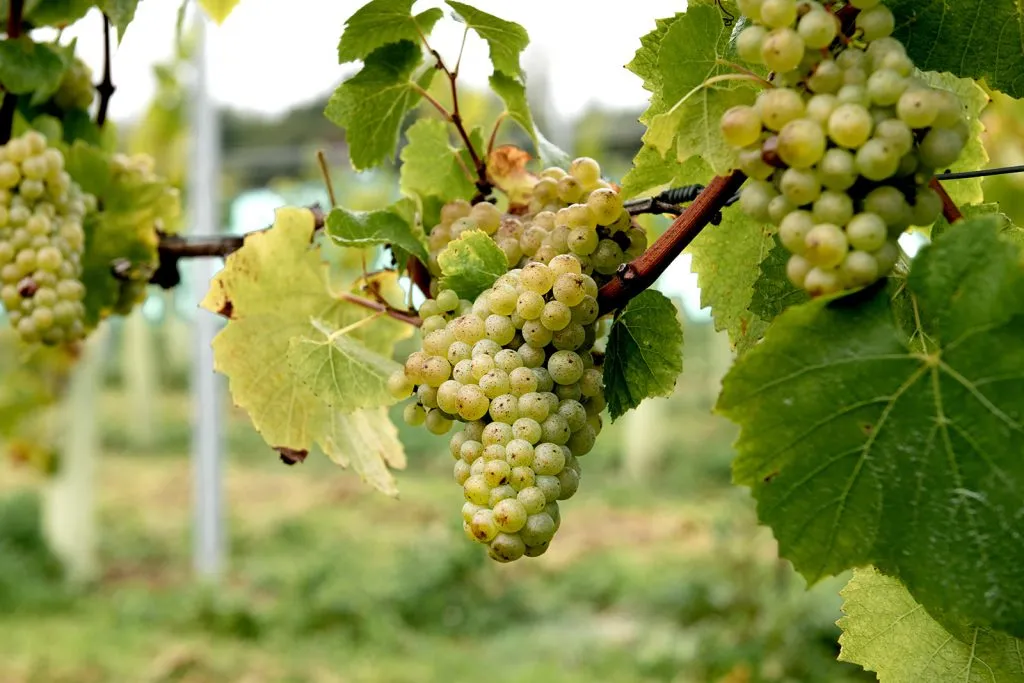
While the UK might not be the first country that springs to mind when thinking of wine production, its industry has grown rapidly in recent decades. Thanks to climate change, evolving techniques, and a focus on cool-climate viticulture, England and Wales now produce award-winning wines, especially sparkling varieties.
Rather than listing grapes alphabetically or by type, this article highlights popular grape varieties grown in the UK by region and associated wine styles, showing how each grape contributes to the country’s growing wine reputation.
South East England – Classic Sparkling Grapes Dominate
The South East—particularly Kent, Sussex, and Hampshire—is home to the largest concentration of vineyards in the UK. This region’s chalky soil mirrors that of Champagne, making it ideal for traditional method sparkling wine.
Key Grapes:
1. Chardonnay:
One of the most widely planted varieties in the UK, prized for its crisp acidity and citrus profile. It forms the backbone of many English sparkling wines.
2. Pinot Noir:
Often used in both sparkling and still rosé wines. In the UK, it ripens well enough to offer red berry flavours and soft tannins.
3. Pinot Meunier:
The third Champagne grape, known for its fruit-forward qualities and role in softening the structure of sparkling blends.
4. Wine Style:
Elegant, high-acidity sparkling wines with citrus, green apple, and brioche notes—often compared favourably with Champagne.
East Anglia – Emerging Still Wine Territory
With lower rainfall and a slightly warmer climate, East Anglia (notably Essex and Suffolk) is becoming a hub for still wine production, particularly white wines.
Key Grapes:
1. Bacchus:
A German cross that thrives in English conditions. It is often called “England’s answer to Sauvignon Blanc” for its floral, herbaceous profile.
2. Reichensteiner:
Another reliable German varietal, known for its neutral character and consistent yields. Often used in blends or as a base for sparkling.
3. Wine Style:
Aromatic whites with notes of elderflower, green herbs, and citrus zest—perfect for fresh, light food pairings.
Wales and the West – Hardy Varietals for Challenging Climates
Western parts of the UK, including Wales and the West Country, face more rainfall and colder temperatures. Here, hardy hybrid and early-ripening varieties perform best.
Key Grapes:
1. Rondo:
A red grape developed for cooler climates. It produces deeply coloured wines with bramble and cherry flavours and is often used for rosé and red blends.
2. Seyval Blanc:
One of the oldest and most widely planted hybrid grapes in the UK. It is prized for its disease resistance and high acidity, making it ideal for sparkling wine.
3. Wine Style:
Fresh and fruit-forward reds and rosés, plus sharp sparkling wines made with minimal intervention.
Conclusion
UK vineyards are not trying to replicate warmer regions—they are embracing what their cool, maritime climate does best. The focus is on early-ripening and disease-resistant grapes that thrive in lower temperatures and shorter growing seasons.
Whether it is a glass of crisp Bacchus from East Anglia or a toasty sparkling blend from Sussex, UK wines are proving that you do not need Mediterranean sun to make world-class wine—you just need the right grapes in the right places.